
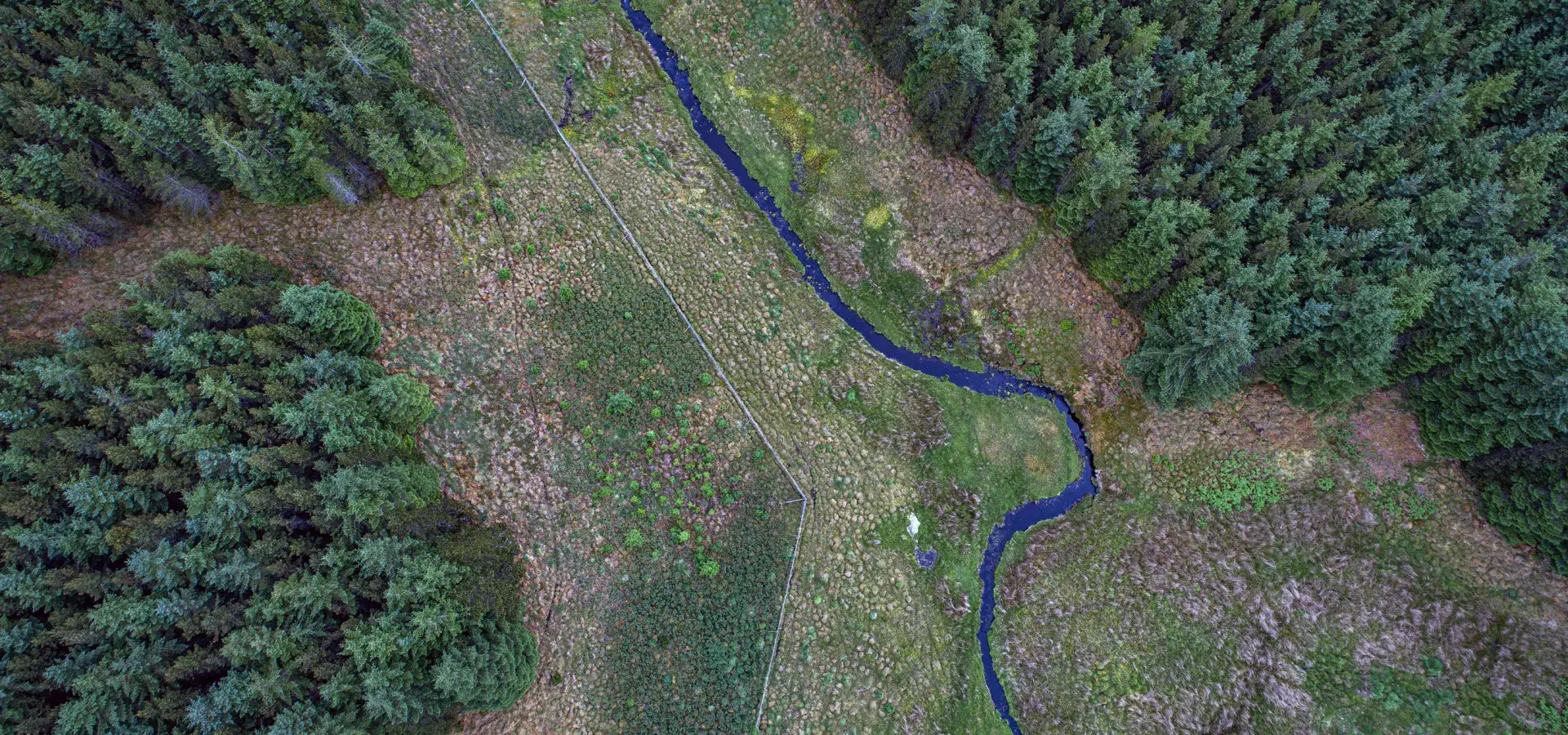
Turning Biodiversity Commitments into Action at Limekiln Wind Farm
At Boralex, biodiversity considerations are integrated from the earliest stages of our projects. From design through construction and operation, local ecological and environmental conditions inform how projects are developed and managed, with mitigation measures put in place to minimise impacts and contribute to nature preservation.
But effective biodiversity management is also a continuous learning process. It relies on monitoring what is happening on the ground, assessing the effectiveness of our measures and, importantly, sharing knowledge with the people and organisations who know the local environment best.
The annual Habitat Management Plan (HMP) Committee at Limekiln Wind Farm provides an important opportunity to do exactly that.
Bringing different perspectives to the same table
Held as part of the project’s consent requirements, the HMP Committee allows Boralex to report on environmental management at the site while putting the results into a broader local context.
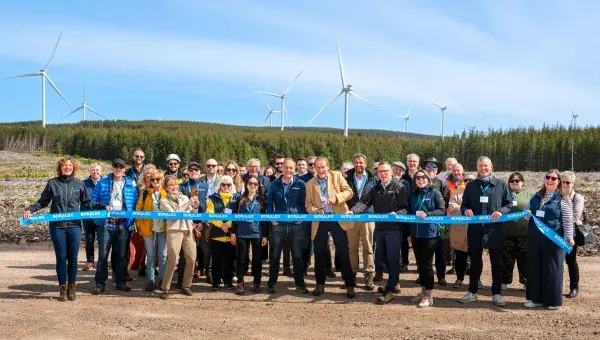
By bringing together landowners, access users and environmental protection bodies, the committee creates a space to share monitoring data, discuss what is being observed on the ground and compare approaches and best practices.
This collaborative model is particularly valuable for biodiversity. Monitoring provides essential data, but conversations with local stakeholders help teams better understand what those findings mean in practice and where future efforts should be focused.
This year’s session included updates on the implementation of the habitat management plan, bird and bat monitoring, deer management and water quality assessments. These discussions also helped the group agree on priorities for 2026.
From data to what is happening on the ground
A key part of the day was taking those discussions out into the field.
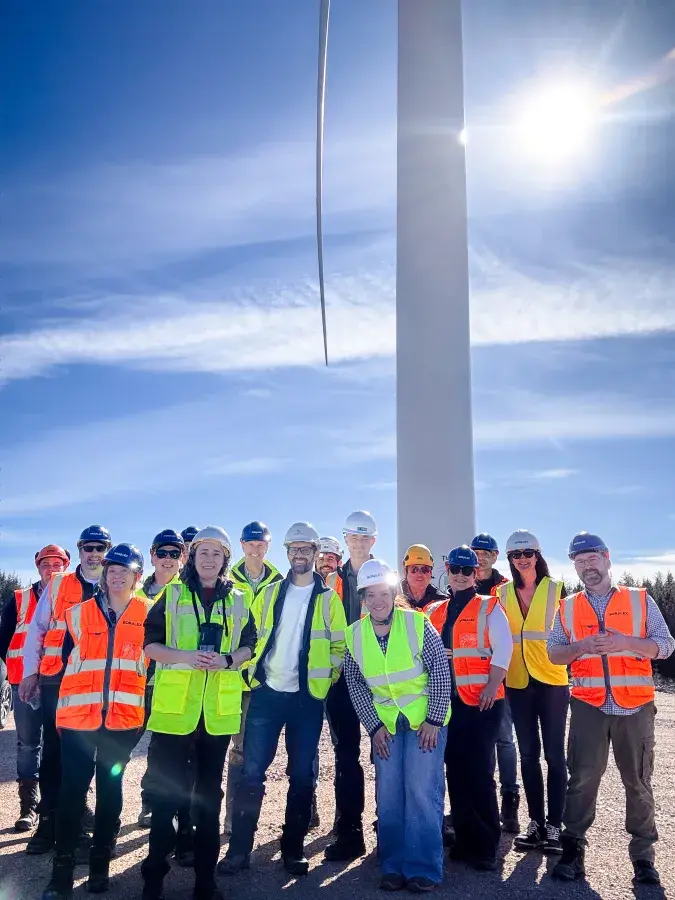
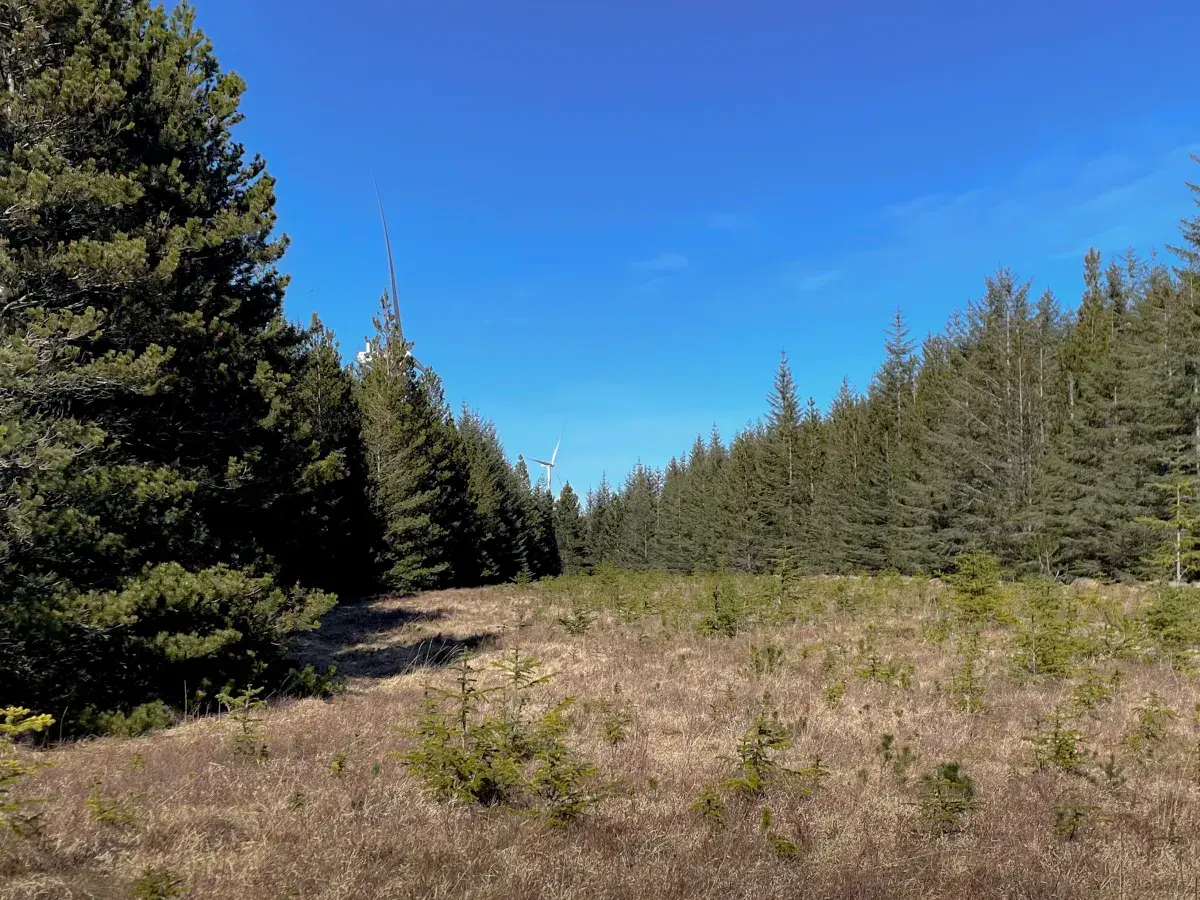
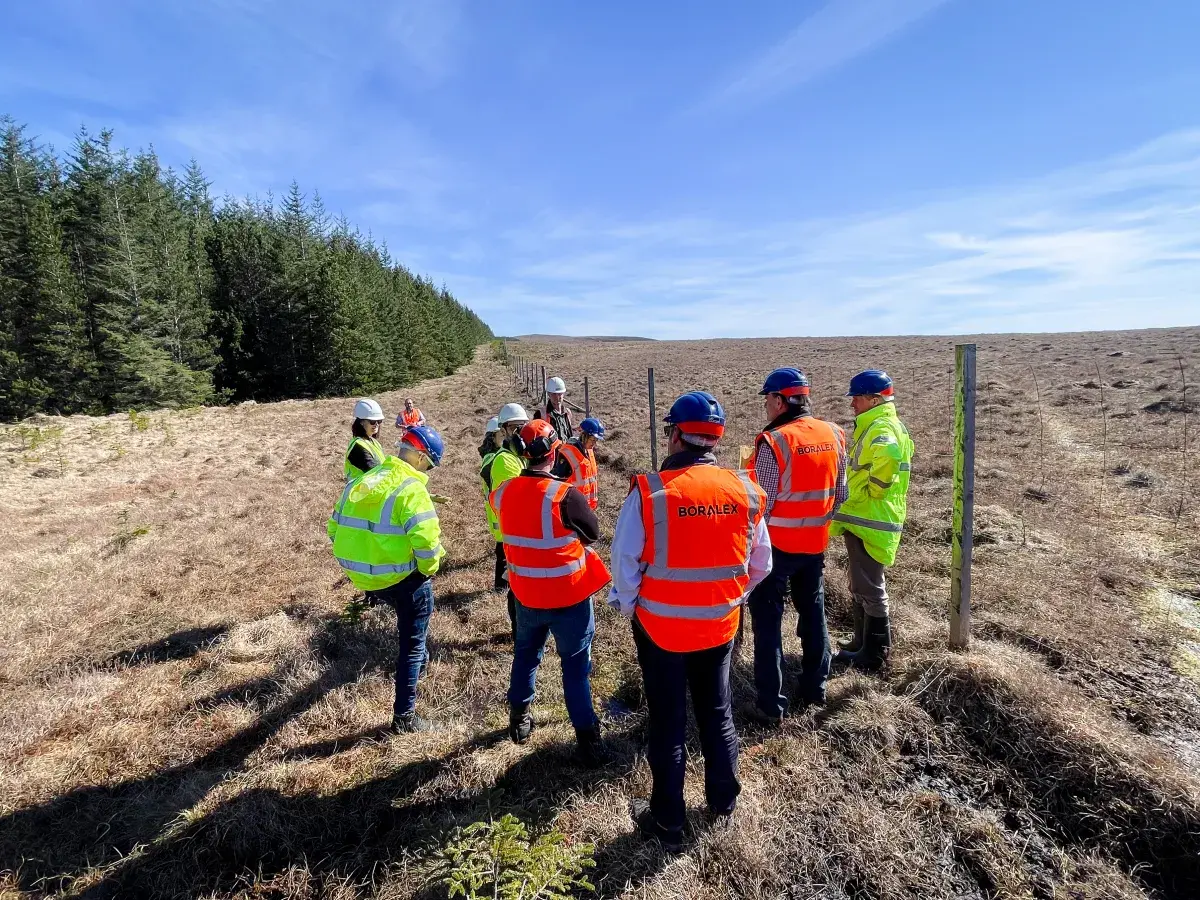
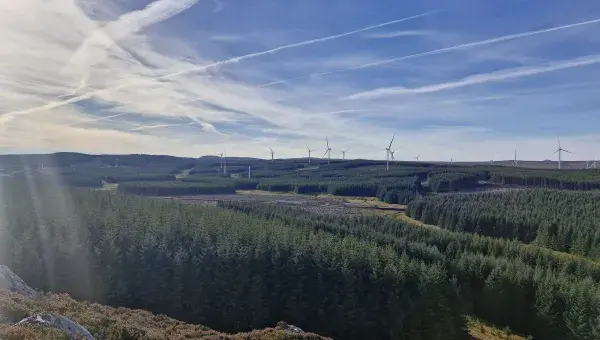
Following the morning session, committee members visited the site to see some of the ongoing work first-hand. The visit helped connect the data and management measures discussed earlier in the day with the realities of the local environment.
For the Boralex team, this type of field engagement is an important part of the learning process. It provides additional context to monitoring results, creates opportunities to hear directly from people familiar with the site and helps identify where practices can continue to evolve.
Biodiversity management through collaboration
The day reinforced a simple but important principle: protecting and supporting biodiversity cannot be achieved through monitoring alone.
It requires long-term observation, practical experience and dialogue between the different people who interact with the land. At Limekiln, the HMP Committee provides a structured way to bring these perspectives together, helping Boralex and its partners learn from the site and from one another.
By combining environmental data, local knowledge and experience from the field, partnerships like these help turn biodiversity commitments into practical, informed action throughout the life of a project.
- To learn more about Limekiln Wind Farm, including project updates and opportunities to stay informed, visit the project page